The Powerhouses of the Home: A Tribute to the Atari 520ST and 1040ST
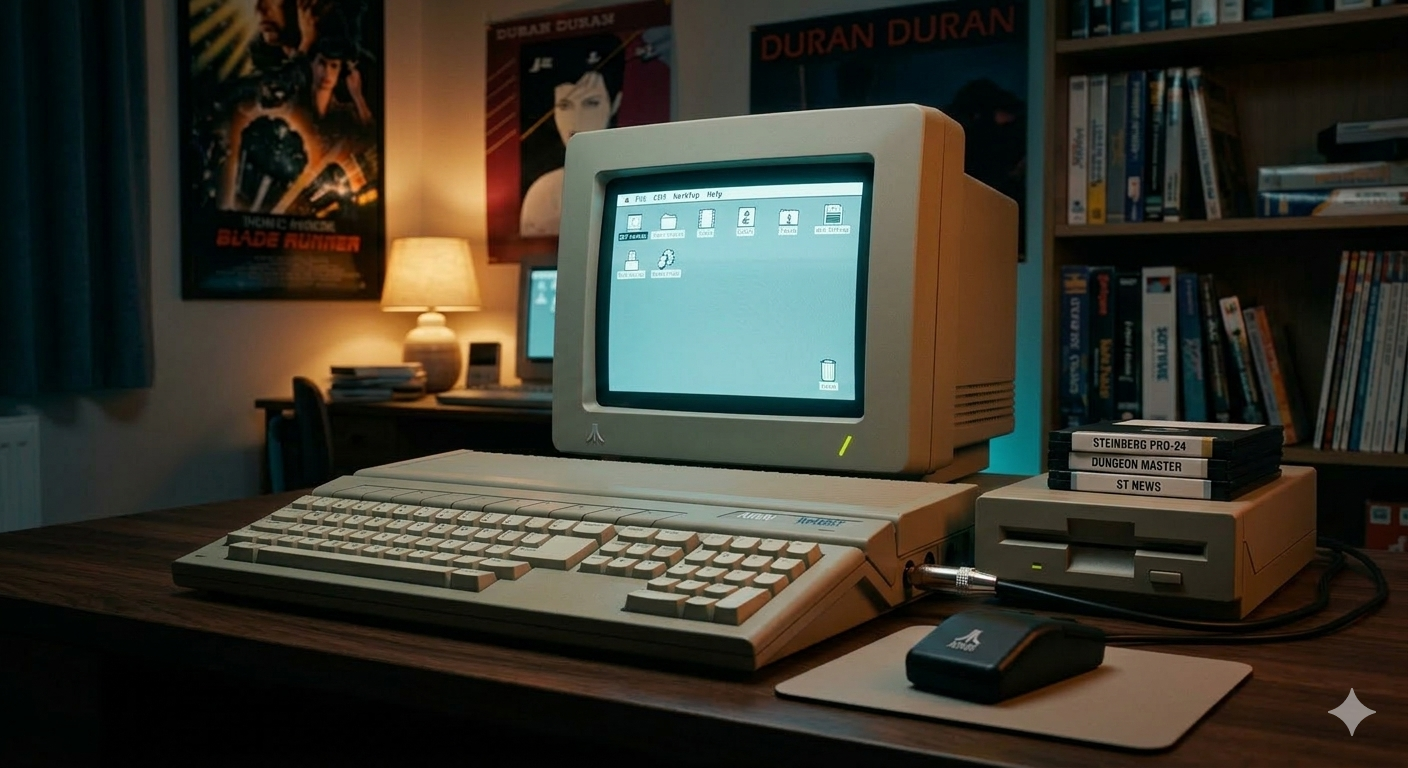
While the 8-bit wars raged on, a new contender entered the arena in 1985, bringing 16-bit processing power and advanced capabilities to the average home. The Atari ST series, led by the 520ST and the 1040ST, wasn’t just an upgrade; it was a revolution. These computers, known as “Jackintoshes” for their combination of Jack Tramiel’s affordability philosophy and a GUI reminiscent of the Apple Macintosh, became legendary for their performance, versatility, and unique features.
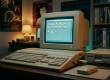
The initial model, the 520ST, had limited release in April–June 1985 and was widely available in July. It was the first personal computer with a bitmapped colour GUI, using a version of Digital Research’s GEM from February 1985. The 1040ST, released in 1986 with 1 MB of RAM, was the first home computer with a cost-per-kilobyte of less than US$1.
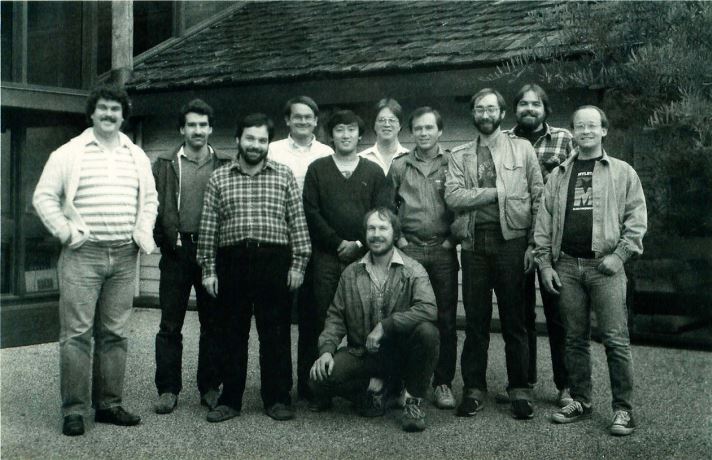 After Jack Tramiel purchased the assets of Atari, Inc.’s consumer division to create Atari Corporation, the 520ST was designed in five months by a small team led by Shiraz Shivji. Alongside the Macintosh, Amiga, Apple IIGS, and Acorn Archimedes, the ST is part of a mid-1980s generation of computers with 16- or 32-bit processors, 256 KB or more of RAM, and mouse-controlled graphical user interfaces.
The ST was sold with either Atari’s colour monitor or a less expensive monochrome monitor. Colour graphics modes are available only on the former while the highest-resolution mode requires a monochrome monitor. Some models can display the colour modes on a TV. In Germany and some other markets, the ST gained a foothold for CAD and desktop publishing. With built-in MIDI ports, it was popular for music sequencing and as a controller of musical instruments among amateur and professional musicians. The primary competitor of the Atari ST was the Amiga from Commodore.
The 520ST and 1040ST were followed by the Mega series, the STE, and the portable STacy. In the early 1990s, Atari released three final evolutions of the ST with significant technical differences from the original models: TT030 (1990), Mega STE (1991), and Falcon (1992). Atari discontinued the entire ST computer line in 1993, shifting the company’s focus to the Jaguar video game console.
16-Bit Might and the ‘Jackintosh’ Revolution
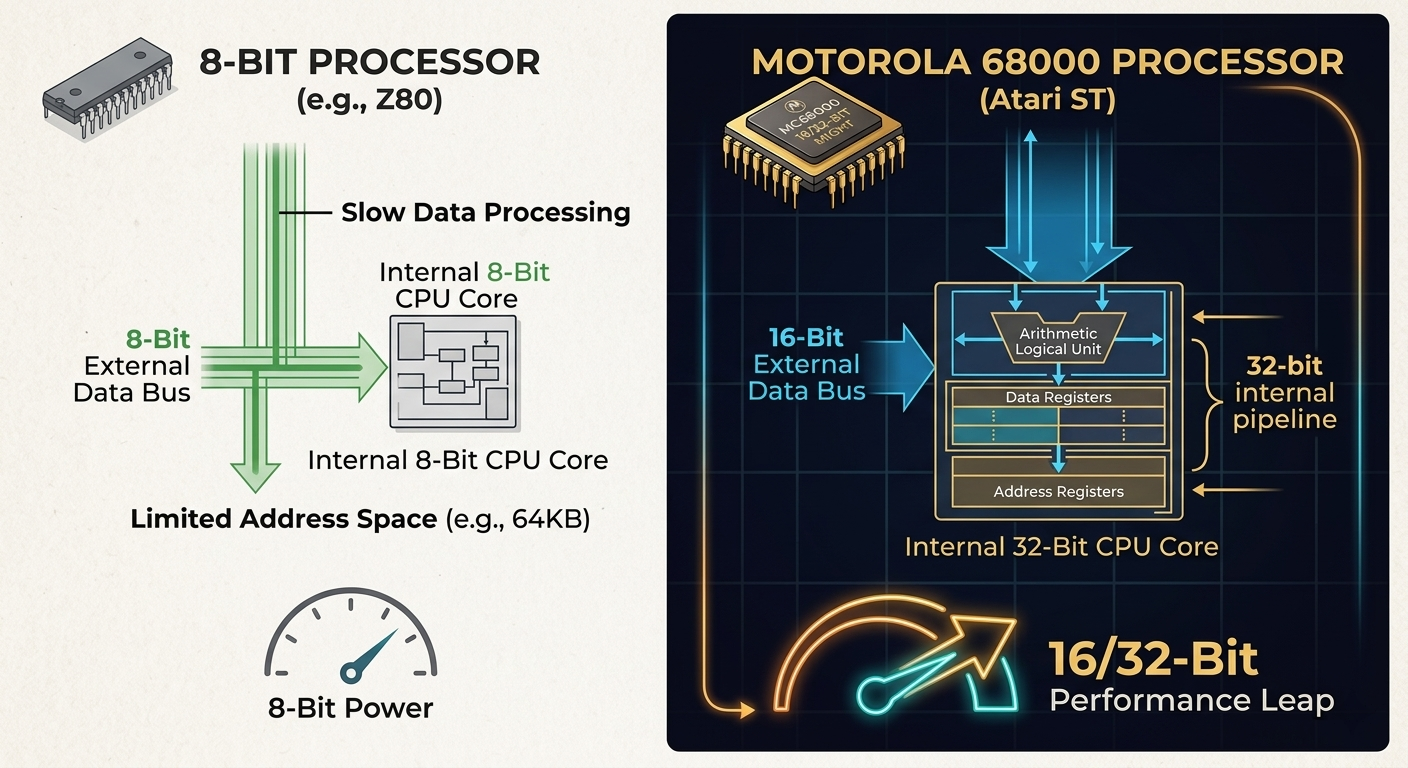 The Atari ST series brought the power of the Motorola 68000 processor, the same chip found in early Macs and the Sega Genesis, into the home computing space. This meant faster speeds, smoother graphics, and more complex applications than ever before.
The inclusion of the Graphics Environment Manager (GEM) GUI, designed by Digital Research, gave users a modern point-and-click interface. This made the ST accessible to non-programmers and paved the way for desktop publishing and advanced music production in the home. It was truly a “computer for the masses.”
Built-in MIDI: The Music Producer’s Dream
Perhaps the unique and impactful feature of the Atari ST series was its built-in MIDI ports. While other computers required expensive add-on cards for music connectivity, the ST was ready to rock right out of the box.
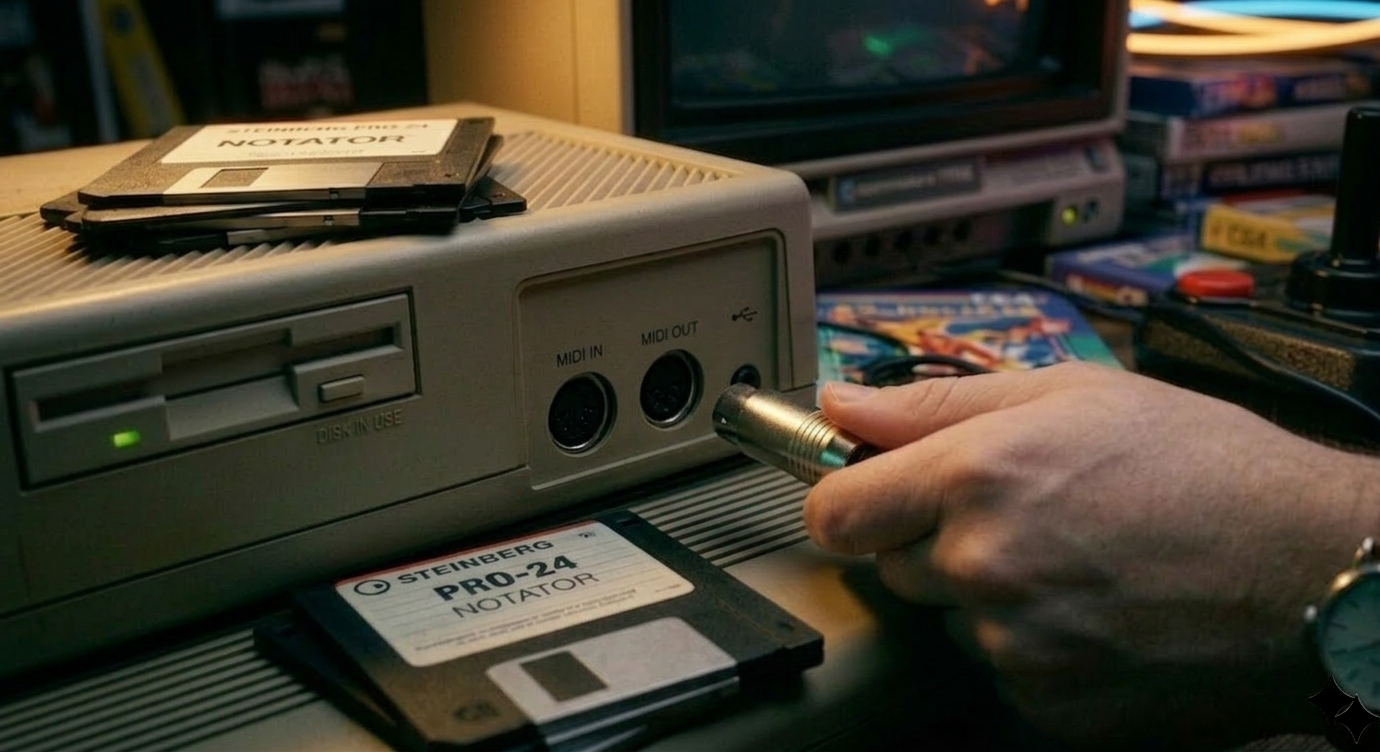
This made it the go-to machine for professional and amateur musicians alike. Software like Steinberg Pro-24 (the precursor to Cubase) and Notator transformed the ST into a powerful sequencer and controller for synthesizers and samplers, defining the sound of countless 80s and 90s electronic and pop tracks.
The ST Evolution: From the 520ST to the 1040ST and Beyond
The Atari ST line was not static, with the 1040ST solidifying the platform’s dominance:
- The 520ST: The pioneering model, offering 512KB of RAM and setting the stage for 16-bit home computing, often requiring an external floppy drive.
- The 1040ST: A significant upgrade, becoming the first personal computer shipped with 1 full megabyte of RAM and an integrated double-sided floppy disk drive, standardizing the platform and enabling massive applications.
- The ‘STE’ and Beyond: Later models like the 520STE and 1040STE introduced enhanced graphics (blitter chip, stereo sound, and more colours), solidifying the ST’s legacy as a powerful multimedia machine before the jump to the Falcon.
The Games That Pushed the 16-Bit Envelope
The Atari ST boasted a fantastic games library that leveraged its processing power:
- The Last Ninja: While iconic on the C64, the ST version offered enhanced graphics and even more sophisticated SID-like music (though without the actual chip), showing what 16-bit could do.
- Dungeon Master: The game that redefined the first-person RPG. Its real-time combat, complex magic system, and atmospheric sound effects were impossible on 8-bit hardware and set the standard for the genre.
- Starglider: A seminal 3D vector graphics space combat simulator that showed off the ST’s calculation power and smooth frame rates, a precursor to modern 3D gaming.
- Carrier Command: A complex strategy game blending vehicle simulation with strategic management, showcasing the ST’s ability to handle deep gameplay mechanics and impressive visuals.
The “ST Grind”: A Tactile and Sonic Memory
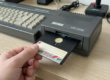
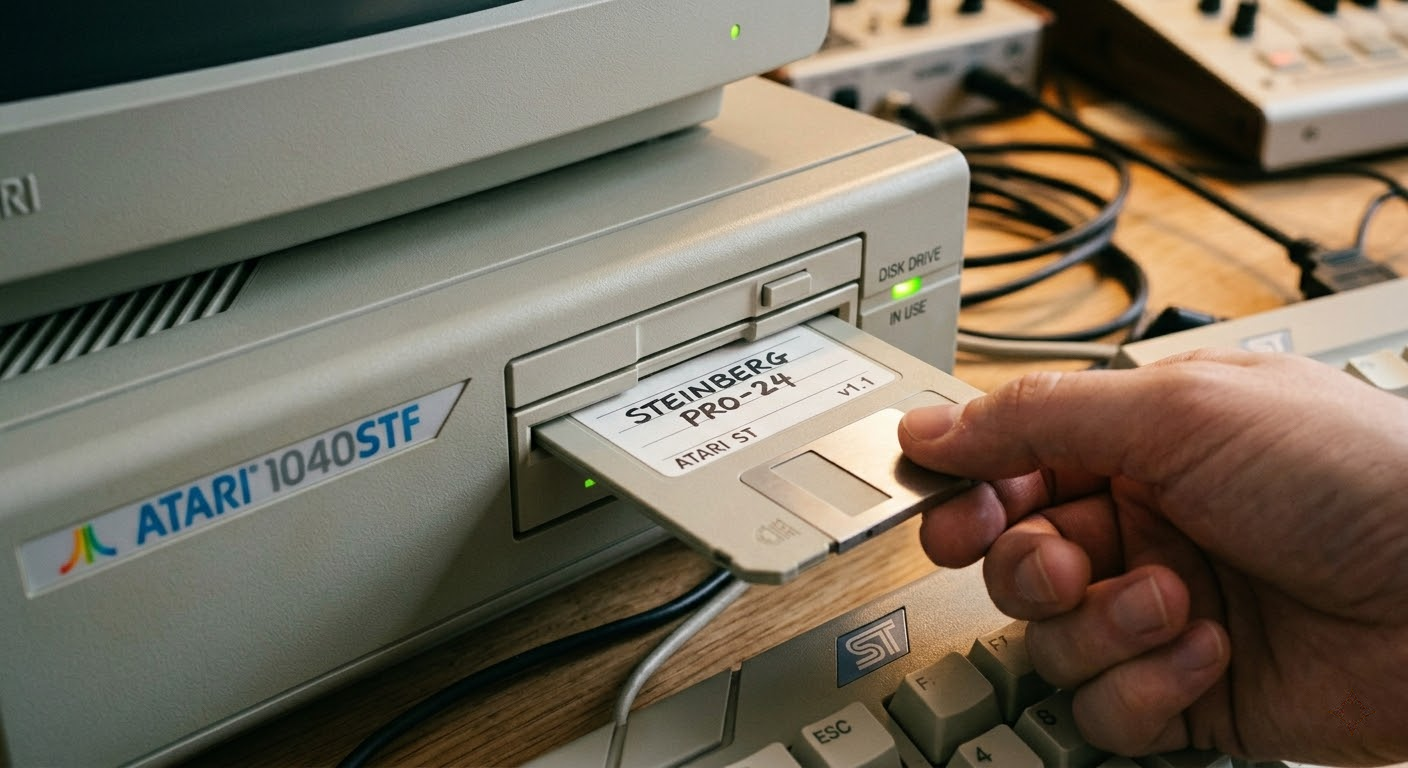 While technically advanced, the ST experience wasn’t without its quirks. The integrated floppy drive of the 1040ST was faster than the C64’s 1541, but still had that characteristic “clunk-whirr-clunk” sound of a 3.5” disk loading.
This tactile and sonic feedback, along with the specific feel of the mouse and keyboard, is a core memory for every ST owner, marking the transition from the “8-bit grind” to a faster, albeit still characteristic, era.
Power Up Your Atari
Whether you’re fixing an “un-ST-able” power supply or looking for vintage 800XL components, we have you covered. Shop the Atari Parts Collection for tested ICs, drive belts, and maintenance supplies!