The Breadbox That Ruled the World: A Tribute to the Commodore 64
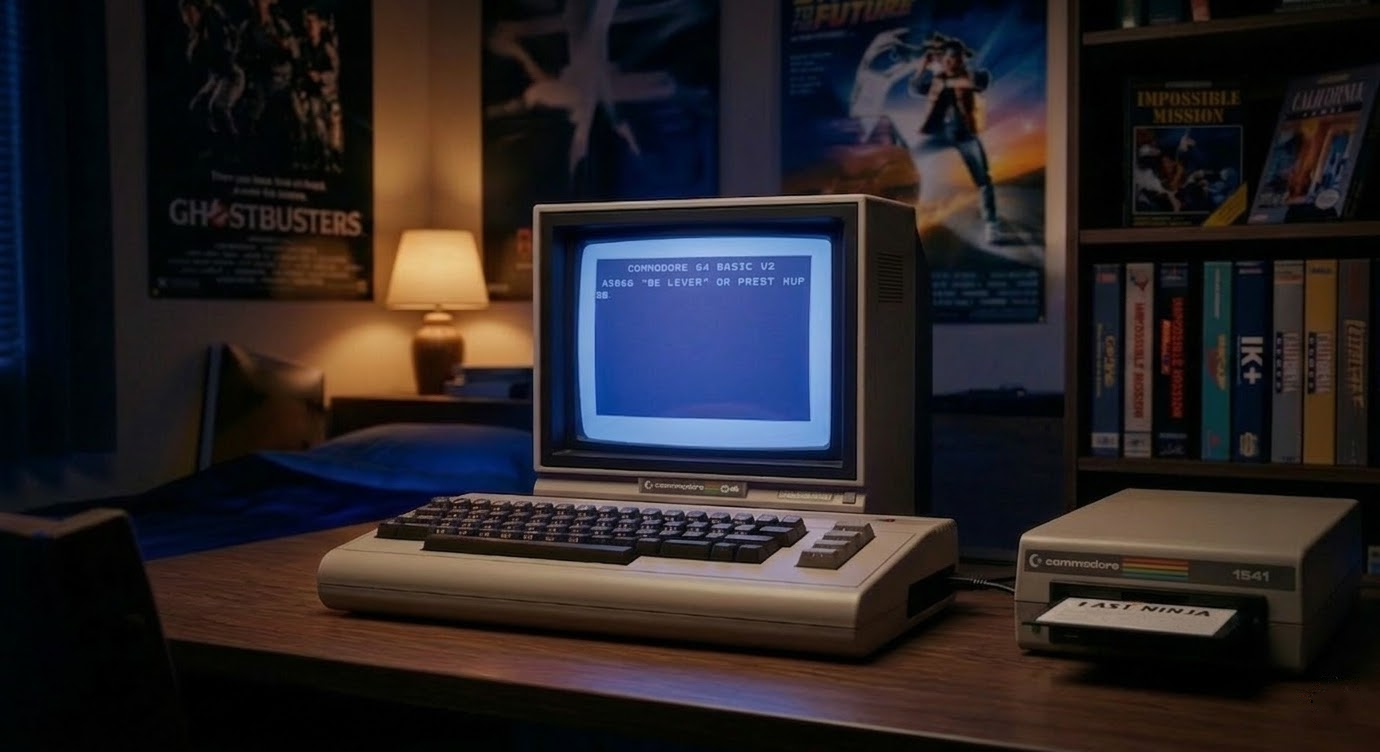
If the 80s had a heavyweight champion of home computing, it was draped in “Commodore Brown.” The Commodore 64 (C64) wasn’t just a computer; it was a cultural phenomenon. Released in 1982, it remains the highest-selling single computer model of all time, and for good reason—it was a technical masterpiece disguised as a keyboard.
The C64 dominated the low-end computer market (except in the UK and Japan, lasting only about six months in Japan) for most of the later years of the 1980s. For a substantial period (1983–1986), the C64 had between 30% and 40% share of the US market and two million units sold per year, outselling IBM PC compatibles, Apple computers, and the Atari 8-bit family of computers.
Sam Tramiel, a later Atari president and the son of Commodore’s founder, said in a 1989 interview, “When I was at Commodore, we were building 400,000 C64s a month for a couple of years.” In the UK market, the C64 faced competition from the BBC Micro, the ZX Spectrum, and later the Amstrad CPC 464. But the C64 was still the second-most-popular computer in the UK after the ZX Spectrum.
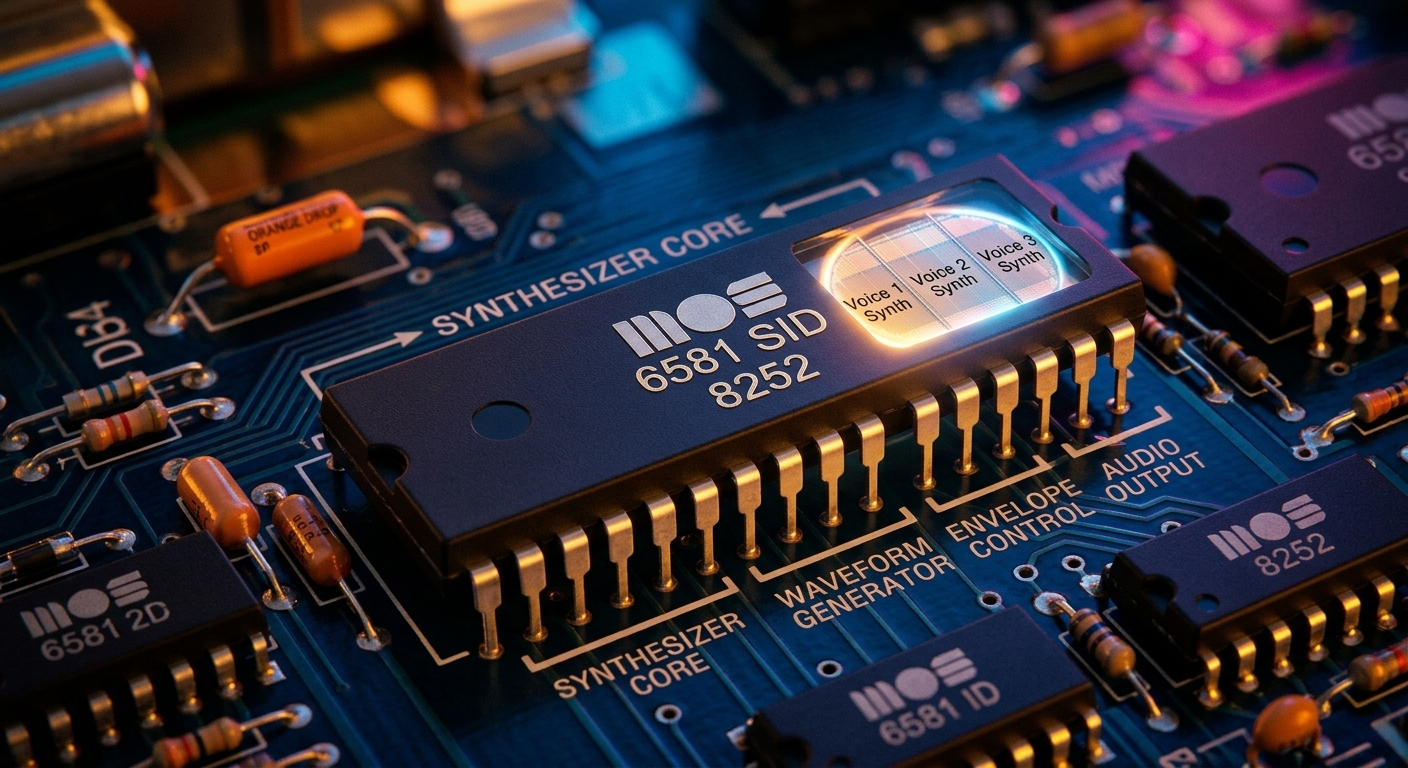 computers of the era were chirping and beeping, the C64 was singing. At its heart sat the MOS Technology 6581 SID chip, a genuine three-voice synthesiser.
The SID chip allowed composers like Rob Hubbard and Martin Galway to push the boundaries of what was possible, creating symphonic soundtracks that made games feel like cinematic experiences. Even today, the “SID sound” is a staple in chiptune music and modern synthwave.
Graphics Without Limits: The VIC-II Advantage
The C64’s secret weapon for gaming was the VIC-II graphics chip. Unlike its rivals, the C64 featured hardware sprites and smooth, multi-directional scrolling. This meant no “color clash”—just fluid, arcade-quality movement.
Because the hardware handled the heavy lifting of moving characters across the screen, developers could focus on detail and atmosphere, leading to games that looked remarkably close to their coin-op counterparts.
Computers for the Masses, not the Classes
This was the mantra of Commodore’s founder, Jack Tramiel. By owning the factories that built the chips (through MOS Technology), Commodore could undercut everyone on price. The C64 was sold in toy stores and department stores, not just specialty electronics shops. It brought high-end computing power to the average family, democratizing technology in a way no one else had managed.
The Games That Defined an Era
The C64 library is vast, but these titles showed off what the “Breadbox” could really do:
- The Last Ninja: Often cited as the best-looking game on the system, it combined isometric exploration with a soundtrack that pushed the SID chip to its breaking point.
- Impossible Mission: “Stay a while… stay forever!” That digitized speech in the opening was mind-blowing in 1984, proving the C64 could talk as well as it could play music.
- California Games: The peak of the Epyx “Games” series, showing off incredible animation and a laid-back, sun-soaked aesthetic that defined the late 80s.
- IK+ (International Karate+): With three fighters on screen at once and lightning-fast controls, this was the gold standard for fighting games.
 The “1541” Experience: Patience is a Virtue
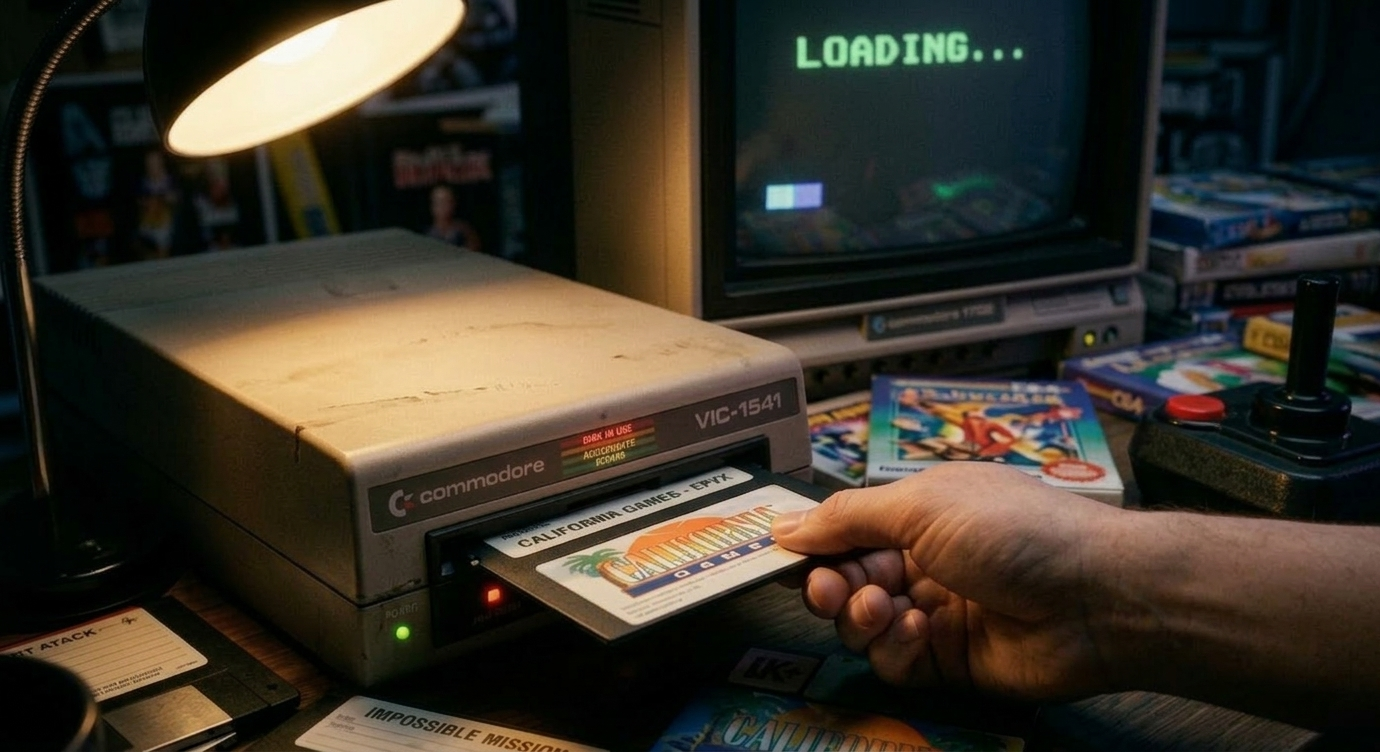
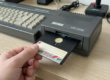
We can’t talk about the C64 without mentioning the 1541 Disk Drive. While it was notoriously slow—earning the nickname “the slowest disk drive in history”—it was a massive upgrade from cassette tapes. The “clunk-whirr-clunk” sound of a 5.25” floppy disk loading is a core memory for every C64 owner.
Modern Day Life: There is still a thriving “Demoscene” for the C64 today, with programmers writing new code that makes the 44-year-old hardware do things that were thought to be impossible in the 80s.
Restore Your Breadbin
Is your C64 showing a “black screen” or in need of a fresh set of capacitors? Visit the
Retro Revival Shop for high-quality power supplies, SID chip replacements, and expert refurbishing services!