The 1980s and early 90s weren’t just a decade of neon and synthesizers; they were the frontline of a home computing revolution. From the bedroom coders in the UK to the high-end desktop publishing suites of the US, each machine had a distinct personality, a unique sound chip, and a dedicated community.
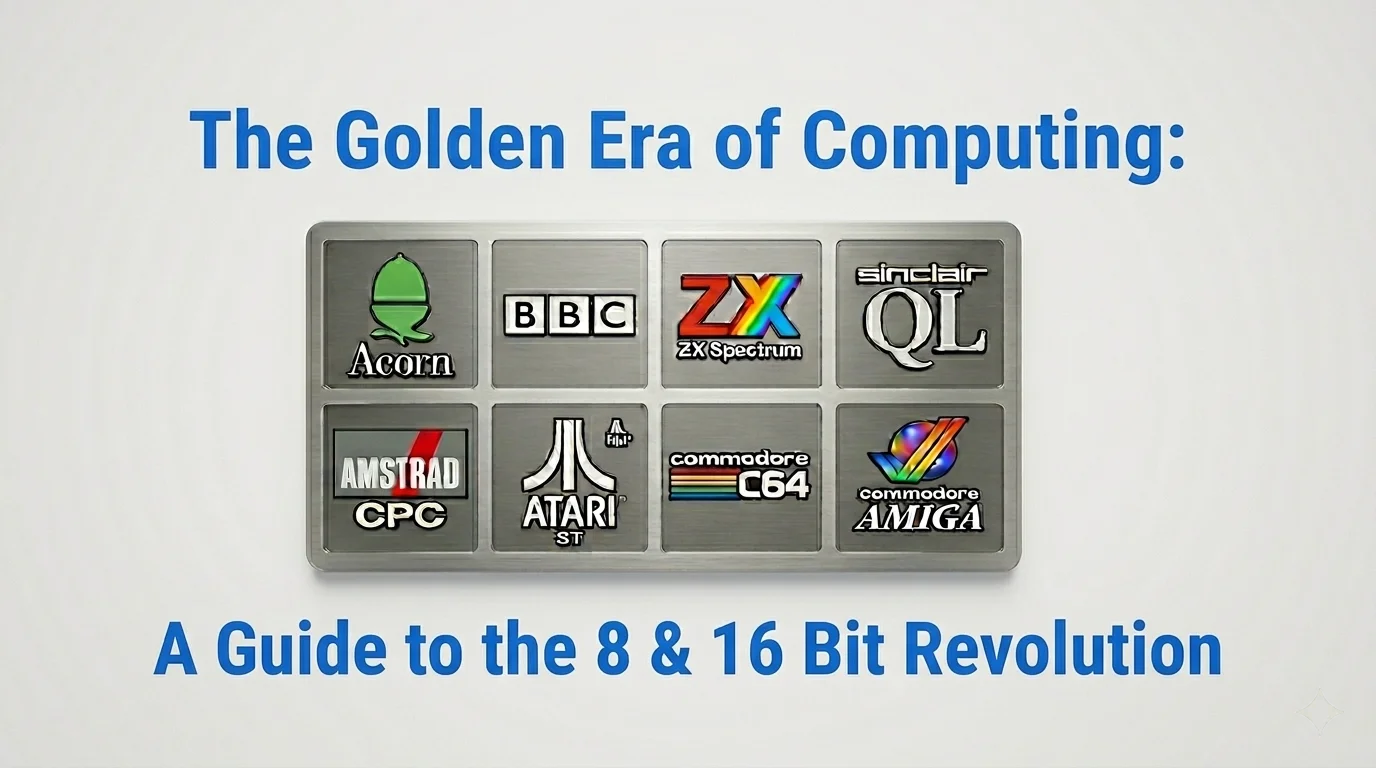
At Retro Revival, we don’t just sell parts; we preserve history. Below is an overview of the legendary systems we support. Whether you are a Sinclair loyalist or a Commodore devotee, this is your map through the history of home computing.
The Sinclair Revolution: Coding for the Masses
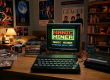
Sir Clive Sinclair’s vision was deceptively simple: put a computer in every home at a price the average family could afford. This philosophy birthed the ZX Spectrum, a machine that effectively kick-started the British gaming industry. Despite its famous “attribute clash” graphics and iconic rubber keys, the Speccy was a powerhouse of creativity, proving that hardware limitations were no match for inspired developers.
As the market matured, Sinclair pivoted toward the professional sector with the Sinclair QL (Quantum Leap). While it faced an uphill battle against established giants, the QL was a pioneer, introducing a 32-bit internal architecture and a multitasking operating system years before they became industry standards. Today, these machines represent a raw, experimental era of British engineering that continues to fascinate collectors.
Read the full History of Sinclair Computers
The Commodore Powerhouses: Graphics and Sound
Commodore didn’t just sell computers; they sold experiences. The Commodore 64 earned its place as the best-selling single computer model of all time by offering a level of sensory immersion that was unheard of in the early 80s. Its dedicated SID sound chip turned the C64 into a high-fidelity synthesizer, while its VIC-II chip provided sprite-handling capabilities that made it the king of the living room.
When the 16-bit era arrived, the Amiga series took that multimedia lead even further. The Amiga 500 and 1200 weren’t just for gaming; they were true multimedia pioneers. With a custom chipset capable of professional-grade video editing and a desktop environment that felt decades ahead of its time, the Amiga became the “creative’s choice” long before the modern Mac.
Explore the History of Commodore / C64 Computer
The British Classroom Staples: Acorn’s Educational Legacy
If you attended school in the https://retrorevivalshop.co.uk/the-history-of-the-commodore-c64-computer/UK during the 1980s, your first digital “hello world” likely happened on an Acorn-designed machine. The BBC Micro was the centrepiece of the BBC’s Computer Literacy Project, built to be rugged, highly expandable, and technically sophisticated. It was the gold standard for education, featuring a robust version of BASIC and a plethora of ports for scientific and industrial expansion.
To capture the home market, Acorn introduced the Acorn Electron, the “little brother” to the BBC Micro. By streamlining the hardware while maintaining compatibility with the BBC’s software library, the Electron brought the prestige of the classroom computer into the living room. These machines remain beloved for their sturdy build quality and their role in educating a generation of engineers.
Discover how the BBC/Acorn Educated a Generation
The All-in-One Contenders: Amstrad’s Practicality
While other manufacturers were selling computers, Lord Alan Sugar’s Amstrad was selling a complete solution. The Amstrad CPC 464 and its successor, the 6128, brought a “plug and play” philosophy to a fragmented market. By including the monitor and the tape (or disk) deck in one purchase, Amstrad removed the cable-clutter and technical headaches that often plagued early adopters.
The CPC series was famous for its vibrant colour monitors and its incredibly tidy footprint. It was a machine built for utility—equally at home balancing a small business’s books or running the latest arcade ports. For many, the CPC was the most reliable workhorse of the 8-bit era, offering a crisp display and a professional feel that still holds up on the workbench today.
Learn about the History of the Amstrad Computer
The Atari Edge: From Arcades to MIDI Studios
Atari entered the home computer market with a pedigree in arcade dominance, and it showed. The Atari 400 and 800 series were graphical marvels, featuring custom chips that allowed for smooth scrolling and colours that outclassed almost everything in their price bracket. They were the ultimate “fun” machines of the early 80s.
However, it was the 16-bit Atari ST that truly changed the world. Nicknamed the “Jackintosh” after Jack Tramiel, the ST became the industry standard for MIDI music production thanks to its built-in MIDI ports. From home enthusiasts to world-class recording studios, the Atari ST’s rock-solid timing and high-resolution monochrome display made it a specialized tool that many musicians refuse to give up even now.
Learn the History of Atari Computers
Why Preservation Matters
Every time we recap a motherboard, replace a brittle keyboard membrane, or upgrade a disk drive to modern SD storage, we are doing more than just fixing hardware—we are keeping a piece of computing heritage alive. These machines were the building blocks of the digital world we live in today. They represent a time when every line of code mattered, and every byte of RAM was a precious resource.
Are you ready to start your own restoration journey?